
Only 1 in 3 Americans can correctly identify how long a 65-year-old will typically live. That has ramifications because workers who underestimate longevity tend to save less, plan less, and risk running out of money in what could be a 30-plus-year retirement.
“Year after year, our research delivers the same sobering finding,” Surya Kolluri, head of the TIAA Institute, which published the new findings, told Yahoo Finance. It’s a persistent blind spot, and for retirement savers, it carries real consequences.”\
Of course, none of us knows how long we’re going to live. But that’s sort of the point — we have to plan for the unknown and plan to live longer than we think.
Longer life, more savings
In case you were wondering, on average, a 65-year-old man in the US will live about 19 more years to age 84. And a 65-year-old woman will live about 22 more years to age 87.
What about reaching nonagenarian status? A 65-year-old man has about a 30% chance of living at least until age 90, compared with 40% for a 65-year-old woman.
The TIAA research showed that people who don’t expect to live a long life also aren’t taking the time to figure out which sources of income they will need to get by.
More than 60% of savers who expect fewer than 10 years of retirement have thought little, if at all, about how they’ll convert their savings into retirement income. About 3 in 10 figure they will get by on their retirement savings, and another quarter expect Social Security to be their main source of income.
“When workers underestimate how long people typically live after 65, they set their retirement planning horizons too short,” Kolluri said. “They save less, plan less diligently, and end up financially unprepared.”
“They aren’t failing because they didn’t work hard. They’re failing because they were planning for the wrong finish line,” he added. “When people understand that retirement can last 20, 30, or even 40 years, their planning behavior changes for the better.”

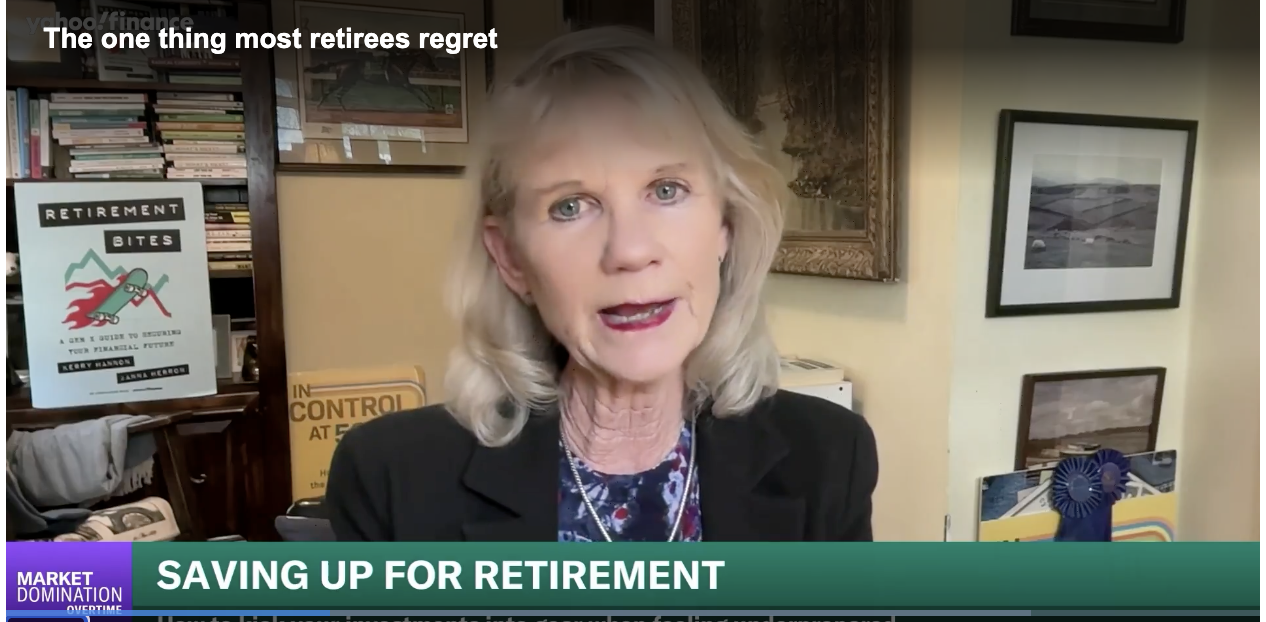
Kerry Hannon is a Senior Columnist at Yahoo Finance. She is a career and retirement strategist and the author of 14 books, including “Retirement Bites: A Gen X Guide to Securing Your Financial Future,” “In Control at 50+: How to Succeed in the New World of Work,” and “Never Too Old to Get Rich.” Follow her on Bluesky and X.
Sign up for the Mind Your Money newsletter
Read the latest financial and business news from Yahoo Finance
